
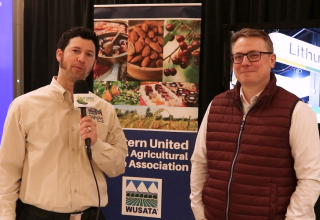
To date, H5N1 avian influenza virus type A (bird flu) has been confirmed in dairy cattle across 17 states, and has infiltrated the epicenter of the nation’s milk production — the Central Valley of California. As of April 7, it has been detected on 758 California herds. While new cases and the spread of the virus has slowed with the onset of springtime (and conditions have improved since the time of the interview), the virus’ impact on lower milk production in the Central Valley was felt by the nation. California Dairy Editor Matthew Malcolm met with Senior Dairy Analyst at Rabobank Lucas Fuess at the World Ag Expo to discuss the impact the virus has had on cows, national production and prices. Watch this brief interview and read more about the economic impact of H5N1 in the latest issue of California Dairy Magazine.

EU Dairy Deliveries Projected to Decline
European Union (EU) all milk deliveries are forecast to amount to 153.3 million metric ton…
NMPF Board Votes to Support Risk Management
The National Milk Producers Federation Board of Directors has endorsed a package of propos…
2027 Dairy Margin Coverage Enrollment Now Open
The USDA announced that dairy producers can enroll for 2027 Dairy Margin Coverage (DMC), a…This Week in Ag – September 23
From recognizing leaders in California’s winegrape industry to new opportunities for citru…WUSATA Offers Assistance to Growers on the Global Market
Growers looking to showcase and export their products face numerous hurdles and challenges…Innovations Enable Fluid Milk Exports
While California is celebrated for its cheese, demand is high for fluid milk exports. Dair…


Click To Comment